
In the tender years of youth, I recall the sting of humiliation, a feeling etched deep within my soul. Words, actions, and circumstances conspired to knock me down, leaving me feeling small and insignificant. It seems that children, in their innocence, are constantly subjected to the sharp edges of humiliation in their interactions with adults and with each other. A relentless cycle of hurt and shame seems to permeate our formative years, leaving scars that linger long into adulthood.
The weight of humiliation, both given and received, seems to shape our very existence. The journey of education, meant to enlighten and empower, often feels like a relentless stream of humiliation. It was even more pronounced in my own childhood, a time when the wounds of shame cut the deepest.
As I journeyed into adulthood, the fear of humiliation became a heavy burden to bear. Every critique, every judgment, no matter how flattering or critical, reignited that old familiar feeling of being diminished. It seems that the specter of humiliation looms large, a crucial element woven into the fabric of our social structure.
To humiliate and to be humiliated – a cycle that seems inescapable, an integral part of our shared human experience. It is a wound that cuts to the core of our being, a wound that we carry with us, shaping our interactions and coloring our perceptions of ourselves and others. And yet, perhaps in acknowledging this shared vulnerability, we can begin to cultivate empathy and understanding, working to create a world where the sting of humiliation is replaced with compassion and respect.
Copyright © Beatriz Esmer
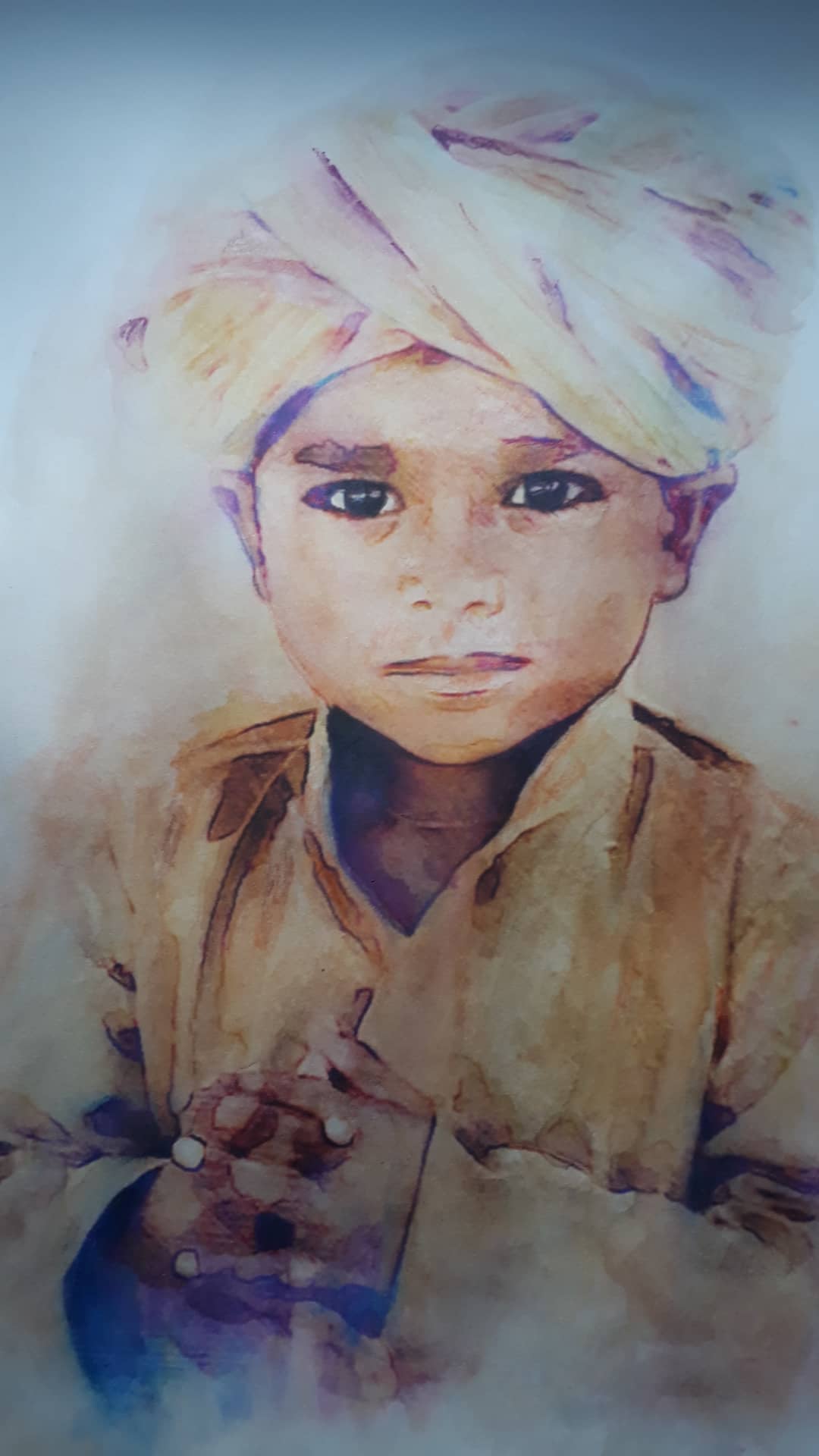
 Beatriz Esmer