
In a world where deeply entrenched ideologies and conservative ways of thinking have solidified mechanisms of social control, the most revolutionary life might not even appear political. To pretend we are still politicized subjects is to miss the point. In our era, a truly revolutionary life might not engage in what is traditionally seen as radical politics, agitation, or organizing. These practices, with their ideologies of self-sacrifice, discipline, instrumental calculation, and personal profit, are functions of contemporary bureaucratic capitalism. Instead, a revolutionary life might commit to creating a new subjectivity that fractures the inert base of contemporary depoliticization, making political organizing possible once again.
The dilemma is that contemporary activism and organizing, contaminated by bureaucratic capitalism, quickly pounce on any freshly radicalized individual, sterilizing everything that is potently revolutionary about them. Naivete, zeal, impatience, intransigence, and the paradoxically fearless joyousness that follows from lucid realizations of hopelessness are all stripped away. This explains my dissatisfaction with current forms of political activism and my feelings about the revolutionary significance of true love. An absolutely committed, defiant, and public love between even two people could be provocatively disruptive if only all the commonly fascist baggage is successfully resisted.
I would like to be most naive to believe in humanity. To hold onto that naivete, to believe in the possibility of a world where love and revolutionary subjectivity can coexist, is perhaps the most radical act of all. It is a defiance of the cynicism that pervades our times, a commitment to the belief that humanity can transcend its current state and create something truly revolutionary.
© Beatriz Esmer
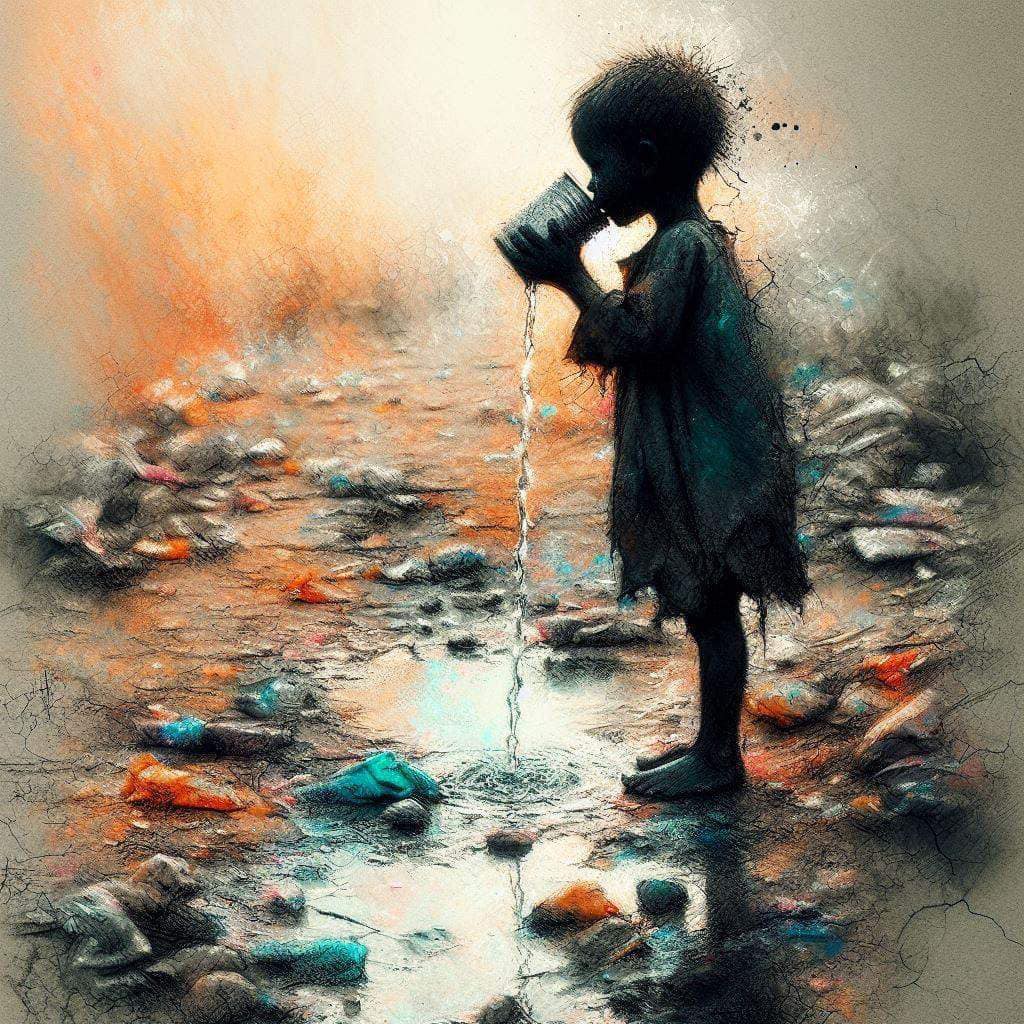
Dry Pastel Art – Human Nature
 Beatriz Esmer