
Death has no scheduled hour, nor does it bow before illustrious surnames or generous bank accounts. It arrives without asking, crosses doors never opened for anyone, and takes a seat at the table uninvited. Death is democratic, cruelly fair—and perhaps that’s why it disturbs us so deeply.
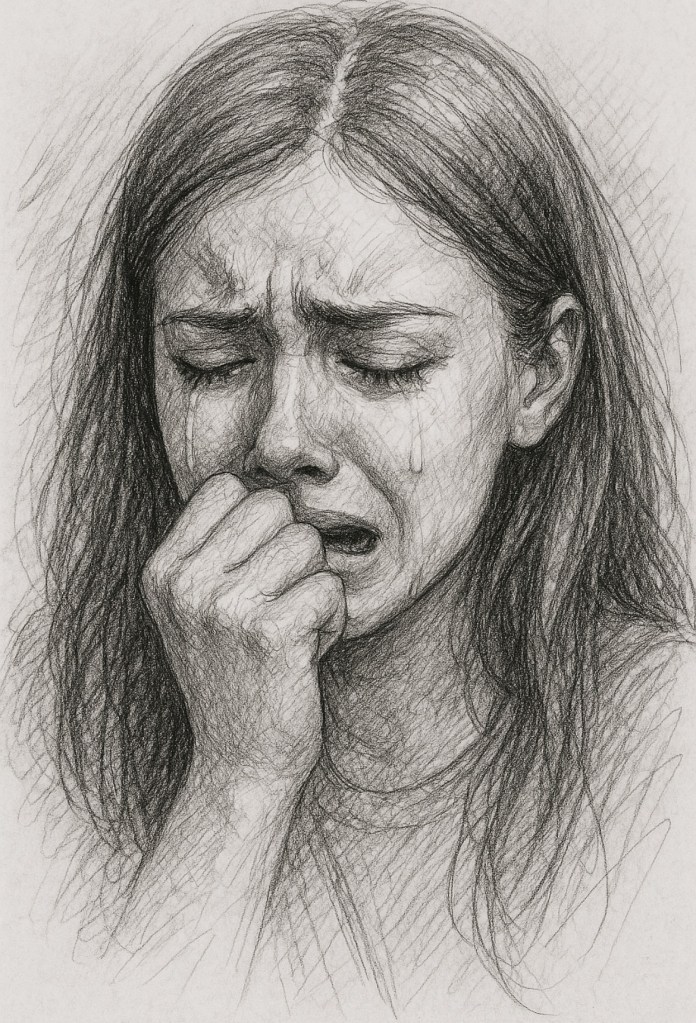
Yesterday, reading about Preta Gil’s passing, I felt that familiar knot in my throat. It wasn’t just sadness for the artist, for the woman who faced cancer with courage and transparency. It was the discomfort of realizing, once again, that life is a fleeting breath—and that even in the face of this truth, we remain distracted.
We live as if there’s time. Time to say sorry, to say “I love you,” to visit that friend just two subway stops away. But time doesn’t wait. It slips through our fingers while we make plans for a tomorrow that may never arrive.
Death teaches us every day. It shows us that the body is fragile, that pride is useless, that affection is urgent. But we’re poor students. We ignore the lessons, postpone the essential, and busy ourselves with the trivial. And when death arrives—as it did for Preta, as it will for us all—we’re stunned, as if it were breaking news.
Preta Gil was more than an artist. She was a woman who lived with intensity, who faced prejudice, who spoke her truth with courage. And even with all her strength, she couldn’t escape what makes us all equal: the brevity of life.
Perhaps the best we can do is stop pretending we’re eternal. Live with more presence, love with more urgency, forgive with more softness. Because in the end, what remains are not possessions, titles, or followers. What remains is who we were to others. And that, perhaps, is the only thing that can be eternal. 😔
©️ Beatriz Esmer
 Beatriz Esmer