
A Chronicle of Echoes and Contradictions
He scrolls, he clicks, he consumes. Not with discernment, but with the blind hunger of someone convinced that information is truth simply because it’s loud, repeated, and wrapped in hashtags. The mediatic illiterate does not read—he absorbs. He does not question—he parrots. And in this echo chamber of borrowed opinions, he becomes a self-proclaimed guardian of justice, armed with memes and moral outrage.
Politics? He despises it. Too complex, too corrupt, too boring. Yet, paradoxically, he thrives in the digital arena where every post is a political act disguised as personal expression. He avoids civic engagement like the plague but floods comment sections with the fervor of a revolutionary—one who never read the manifesto.
His worldview is stitched together from viral videos, half-truths, and algorithmic bias. Prejudiced ideas slip into his rhetoric not out of malice, but out of ignorance—an ignorance so profound it mistakes manipulation for enlightenment. He is not evil; he is uninformed. And that, perhaps, is more dangerous.
In marches and online forums, he chants for freedom of expression. But his version of freedom is selective: it must align with his beliefs, flatter his biases, and silence dissent. Those who truly defend expression—journalists, activists, thinkers—are labeled as threats, mocked, or worse, canceled.
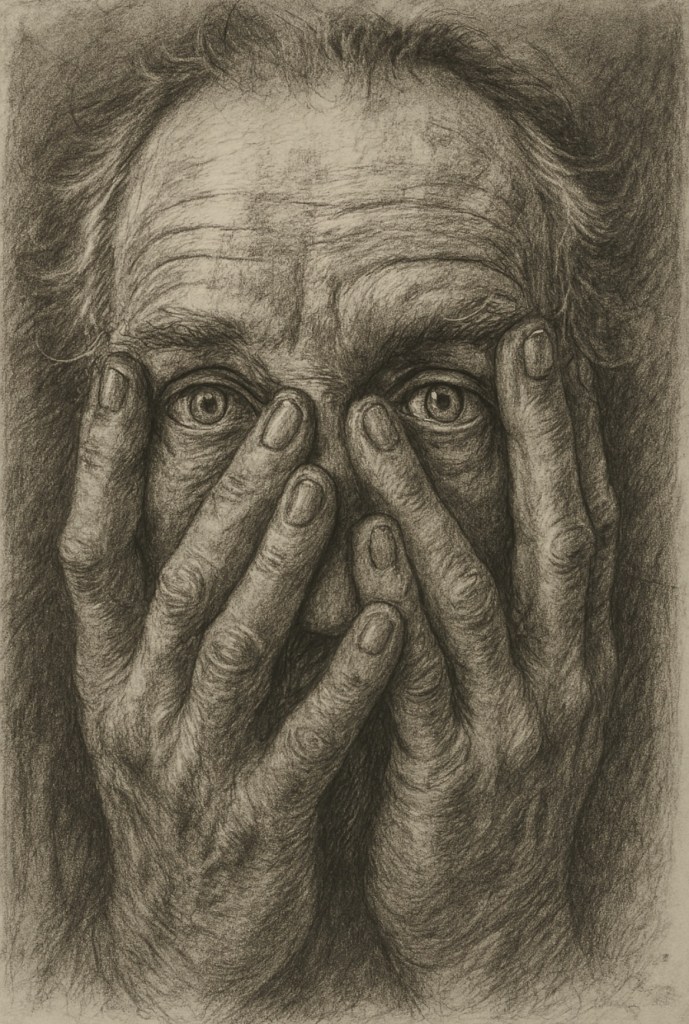
He is not a villain. He is a symptom. A product of a culture that values speed over depth, reaction over reflection. The mediatic illiterate is everywhere, and he is multiplying. Not because he chooses ignorance, but because no one taught him how to choose otherwise.
©️ Beatriz Esmer
 Beatriz Esmer