
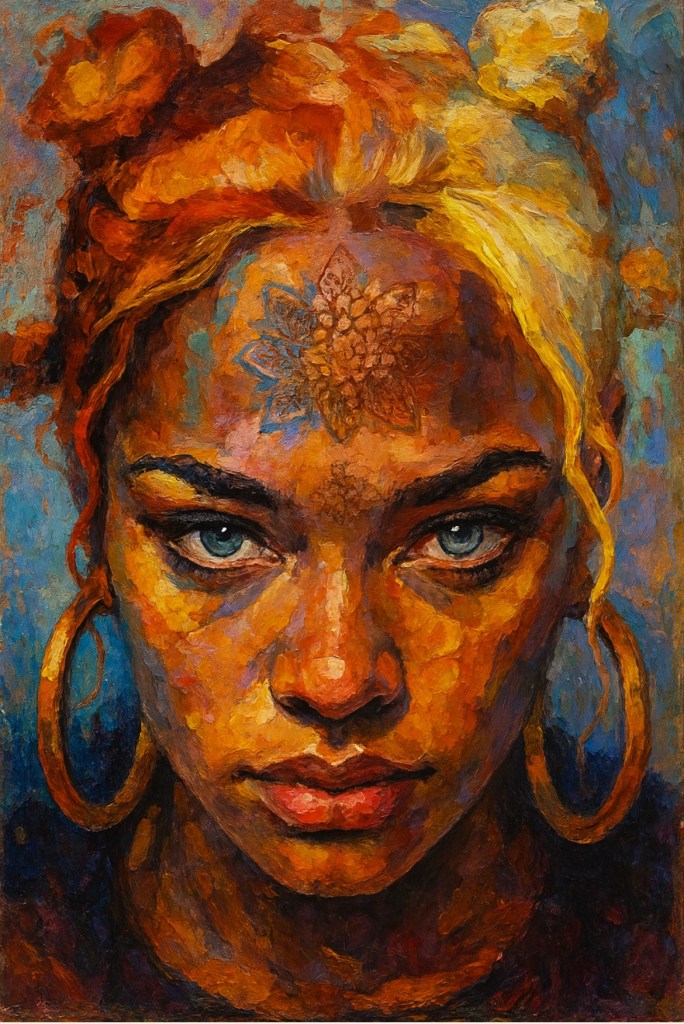
When did the skin on our bodies, the difference in our voice, or the direction our heart takes us decide whether or not we should have human rights?
That question echoes like a drumbeat through history—steady, haunting, unrelenting.
It was not asked when ancient hands first reached out to help a stranger. It was not asked when children laughed in languages unknown to one another, yet understood through play. It was not asked when love bloomed in defiance of borders, norms, or expectations.
But somewhere along the way, someone decided that pigment was power. That accents were ammunition. That love—if it didn’t follow a prescribed path—was rebellion.
And so, the question was born.
It rose in the cries of those enslaved, silenced, exiled. It whispered through the pages of censored books and the footsteps of those marching for freedom. It thundered in courtrooms, classrooms, and quiet conversations between those who dared to dream of a world where dignity wasn’t conditional.
We ask it still.
Because every time a person is denied safety, voice, or love based on the body they inhabit or the truth they live, that question demands an answer.
And the answer is this:
Human rights are not earned by conformity.
They are not granted by approval.
They are not privileges—they are promises.
So, we chronicle this moment not as a lament, but as a call.
To remember that our differences are not threats—they are threads.
Woven together, they form the fabric of a world worth fighting for.
©️ Beatriz Esmer
 Beatriz Esmer