
The morning arrives without asking permission. It cuts through the curtains and settles upon the kitchen floor like a heavy, uninvited guest. We spend our lives preparing for triumphs—rehearsing the smile for the promotion, polishing the shoes for the arrival—as if happiness were a scheduled train. But the train that arrives is the one of ruin. It comes unannounced, derailing the ordinary silence with a sudden, sharp screech.
You do not choose the events that drag you by the hair into the middle of the room, nor the sorrows that sit upon your chest until breathing feels like a stolen luxury. They catch you off guard, barefoot and defenseless, holding a cup of cold coffee. And there you are, holding your head in your hands, staring at the floorboards, wondering what absurd mistake you made to deserve this quiet devastation.
To suffer—ah, that is the most common currency of existence. We are all bruised creatures walking around in borrowed skin, pretending we are whole. But to suffer and still manage to keep a fragile composure, a stubborn faith, and a smile that trembles on the edge of tears? That is the quiet miracle. That is remarkable, not because it is strong, but because it hurts so terribly to maintain.
Success is a polite visitor; it stays for tea, congratulates you, and leaves you much the same as it found you. But pain? Pain is an intimate, brutal sculptor. It carves away the unnecessary until only the raw, bleeding truth remains. It rewires the way you look at a passing cloud, alters the weight of your values, and shifts your dreams into a completely different, unfamiliar key.
Your pain is changing you, silently, in the dark. It is dismantling the person you thought you were, making space for someone who knows how fragile life is, yet loves it anyway.
© Beatriz Esmer
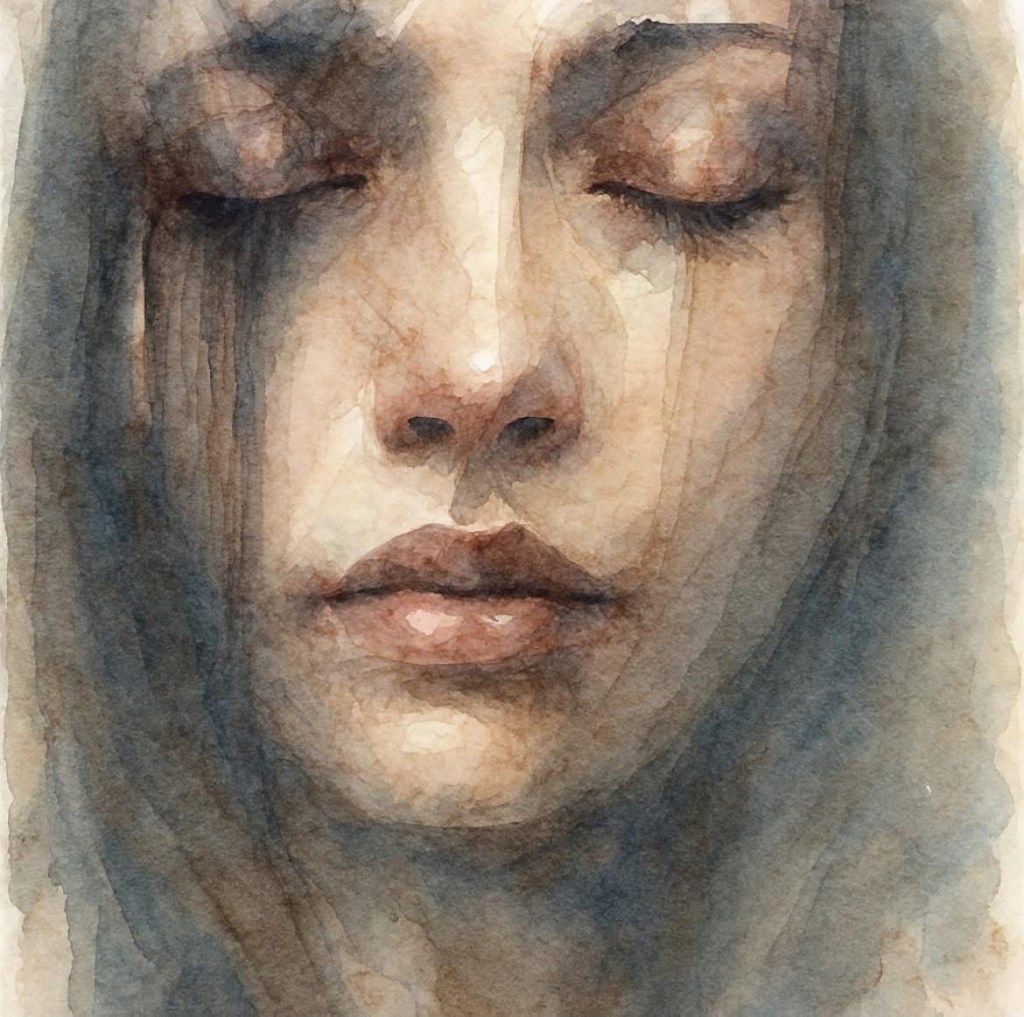


Beautiful write with amazing painting